
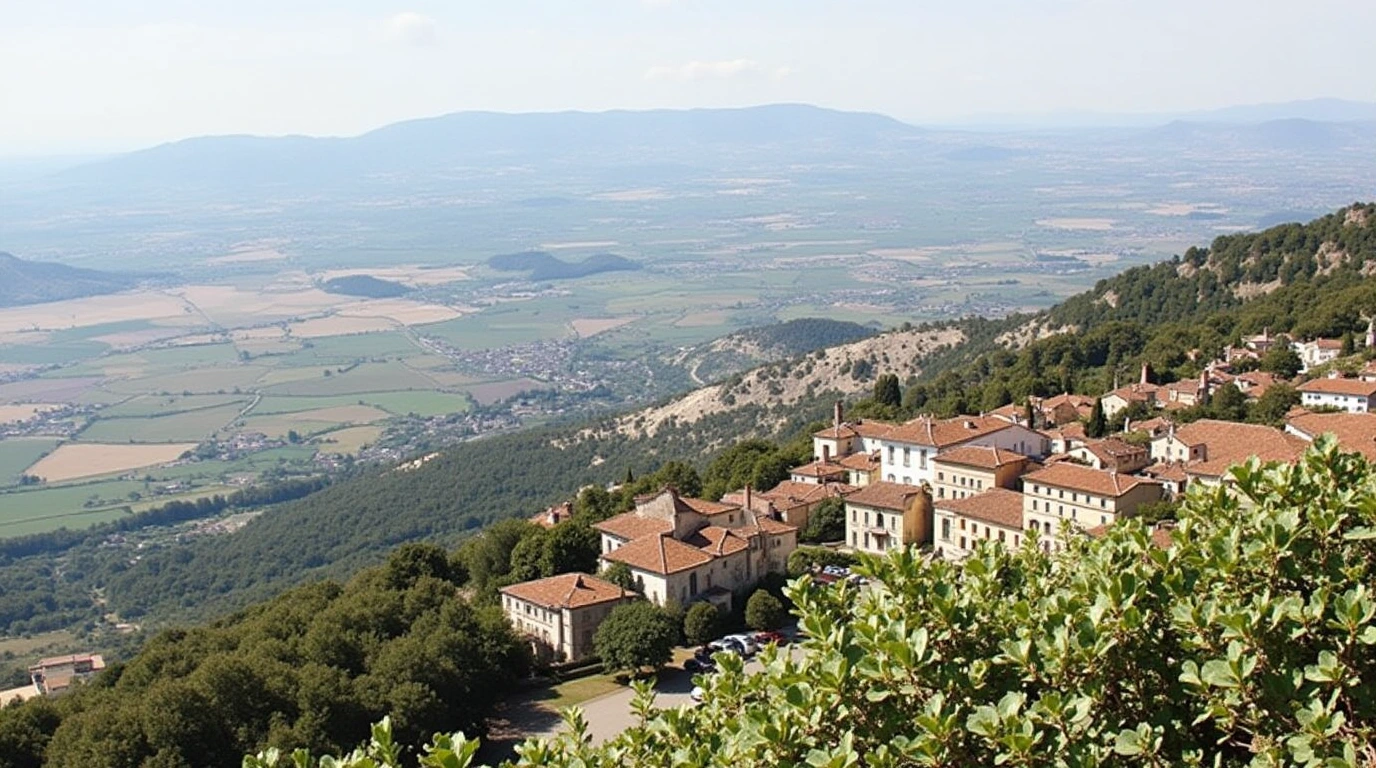
When Is the Best Time to Visit the South of France?
Table of Contents
When is the best time to visit the South of France? The South of France captivates visitors year-round with its enchanting blend of Mediterranean charm, cultural richness, and natural beauty. Yet the best time to visit this coveted destination depends entirely on your travel aspirations. Whether you dream of basking on sun-drenched beaches, wandering through purple lavender fields, or exploring historic villages without the summer crowds, the French Riviera and Provence offer distinct experiences across all four seasons.
The region’s Mediterranean climate provides a predictable rhythm of mild, occasionally rainy winters and warm, dry summers. Understanding these seasonal patterns and their impact on tourism, activities, and local events can help you plan the perfect getaway that aligns with your preferences.
Summer: Peak Season Paradise
Summer transforms the South of France into a vibrant playground for sun-seekers and culture enthusiasts alike. July and August see temperatures soaring to an average of 25.2°C, with coastal areas enjoying refreshing sea breezes. The Mediterranean waters reach a pleasant 24°C in August, perfect for swimming and water sports.
However, this idyllic weather comes with a caveat: summer represents the peak tourist season, particularly in August when French nationals take their annual vacations. Coastal towns buzz with energy, beaches fill with sunbathers, and restaurants overflow with diners enjoying long lunches under the Provençal sun. While the atmosphere is undeniably festive, be prepared for higher prices and the need to book accommodations well in advance.
Autumn: A Cultural Sweet Spot
As summer winds down, September and October offer what many consider the perfect balance of comfortable weather and reduced crowds. Temperatures gradually decrease from a pleasant 20.9°C in September to 11.7°C in November, creating ideal conditions for exploring cultural sites and hiking through the countryside.
Autumn brings another gift: the wine harvest. This season offers unique opportunities to experience local traditions and festivals centered around wine production. Though October sees the highest rainfall of the year, the precipitation rarely interferes with travel plans, and the sunny breaks between showers provide perfect opportunities for photography and outdoor activities.
Winter: The Quiet Season
Winter in the South of France defies typical Mediterranean expectations. While January averages a mild 9.5°C in Nice, the season brings its own special charm. The famous Mistral and Tramontane winds might blow through the region, but they also ensure bright, clear skies perfect for photography.
This low season offers distinct advantages: smaller crowds at major attractions, lower accommodation rates, and a more authentic glimpse into local life. The winter months also feature unique attractions, such as the spectacular Nice Carnival and the blooming of mimosa flowers along the celebrated Mimosa Route, painting the countryside in vibrant yellow hues.
Spring: Nature’s Grand Return
Spring heralds the return of ideal traveling conditions. By May, temperatures reach a comfortable 18.4°C, and the countryside bursts into color with blooming wildflowers, including stunning red poppies. This season provides perfect conditions for hiking through mountain villages, enjoying outdoor cafes, and exploring the region’s famous gardens.
The shoulder season months of April and May offer particular advantages: moderate crowds, reasonable prices, and comfortable weather for both outdoor activities and cultural exploration. The occasional spring shower keeps the landscape lush and green, creating picture-perfect scenery.
Planning Your Perfect Visit
Consider these key factors when planning your trip:
For beach enthusiasts and sun-seekers, July and August offer the warmest weather but require careful planning to manage crowds and costs. September provides an excellent alternative, with warm seas and fewer tourists.
Culture lovers might prefer the shoulder seasons of spring and autumn, when moderate temperatures make museum visits and historic site exploration more comfortable. The lower tourist numbers also mean more intimate experiences at cultural attractions.
Nature photographers and outdoor enthusiasts should consider timing their visits to coincide with specific natural events: lavender blooms from late June to mid-August (peaking in July), while sunflower fields create golden landscapes from mid-June to late July.
Budget-conscious travelers will find the best deals during winter months, excluding the Christmas period and Nice Carnival. Many coastal establishments reduce their hours or close entirely, but major cities and cultural sites remain accessible and enjoyable.
The South of France rewards visitors in every season, each offering its own unique charm and advantages. Whether you’re drawn by the summer’s vibrant energy, autumn’s cultural richness, winter’s quiet beauty, or spring’s natural awakening, this remarkable region promises unforgettable experiences throughout the year.
Ready to experience the magic of the South of France? Consider exploring the region through a Celebrity Cruises voyage, offering the perfect combination of comfort and adventure as you discover this timeless destination.
There are no reviews yet. Be the first one to write one.




2 Comments
Comments are closed.